25 Best Small Indoor House Plants That Will Fit in Even the Tiniest Apartments
Trust, these are ideal for even the laziest plant parents.

We may earn commission from links on this page, but we only recommend products we love. Promise.
If you live in a small apartment or have limited space in your home, chances are you’ve probably avoided starting a massive collection of indoor plants. I mean, that random corner is much better reserved for a bar cart, bookshelf, or something more functional, right? Ahem, WRONG! According to plant ecologist and botanist Tanisha M. Williams, PhD, there are dozens of benefits that come from having plants in your home, and there are plenty of low-maintenance options that’ll fit even the smallest of spaces.
“Plants bring a bit of nature into our homes,” says Dr. Williams, who recommends starting small and growing (no pun intended) your collection as time goes on. “They remind us we are connected to and a part of the environment around us. Our green friends also increase oxygen levels, can boost your mood, and add a bit of flare to your home decor,” she adds. It's not like I needed convincing, but I am sold!!
Whether you're ready to get started on your plant parent journey or need gift ideas for the plant lover in your life, I’ve rounded up a list of the best small indoor houseplants (with some advice from Dr. Williams, of course) that are relatively stress-free to care for in tight spots.
Our top picks for the best small indoor plants of 2024:

Plop them on your shelf, nightstand, kitchen counter, toilet, or really anywhere else, and prepare to start reaping the benefits.
Pros
- Great for beginners
- Considered one of the best natural air purifiers

Cons
- Toxic to pets and humans
- Doesn't do well in cold climates

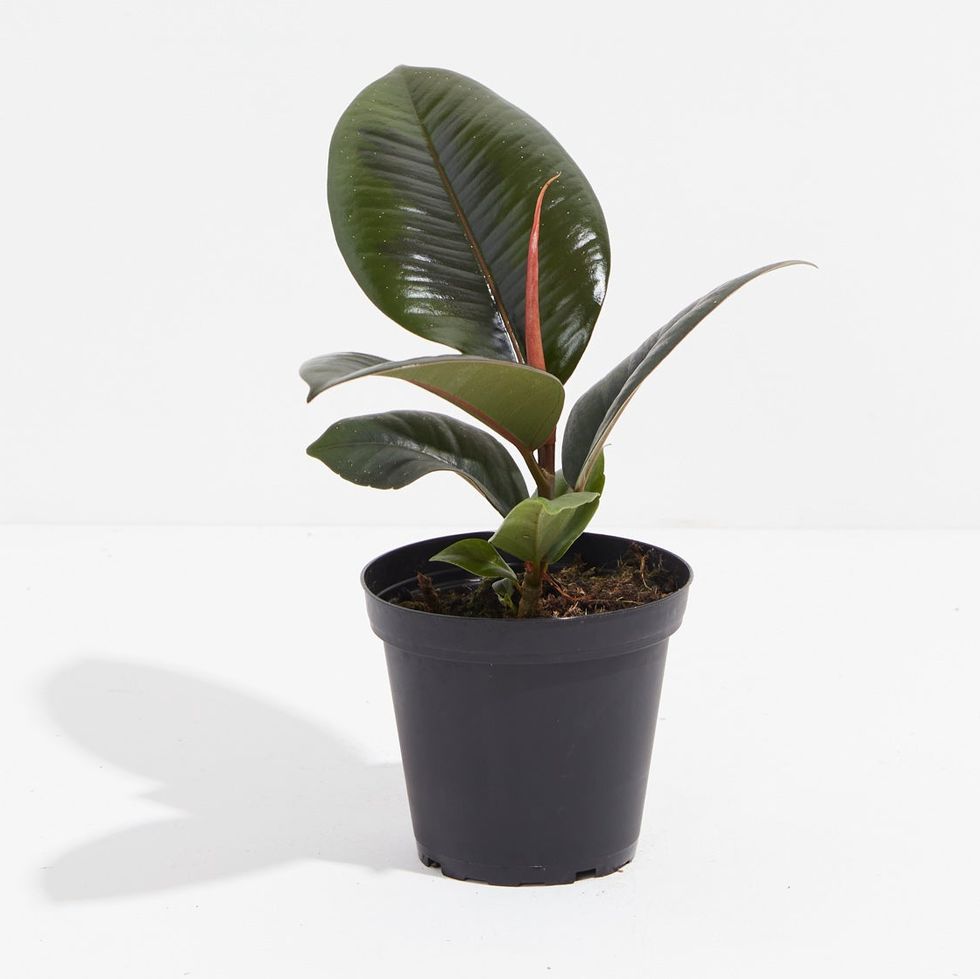
The Rubber Tree, otherwise known as Ficus Elastica (pretty isn't it?!), is an evergreen tropical tree...which is just a fancy way of saying it makes for one heck of an easy plant to take care of. Plus, it has great air-purifying properties.
Pros
- Needs minimal care
Cons
- Not suited for intense, direct sun
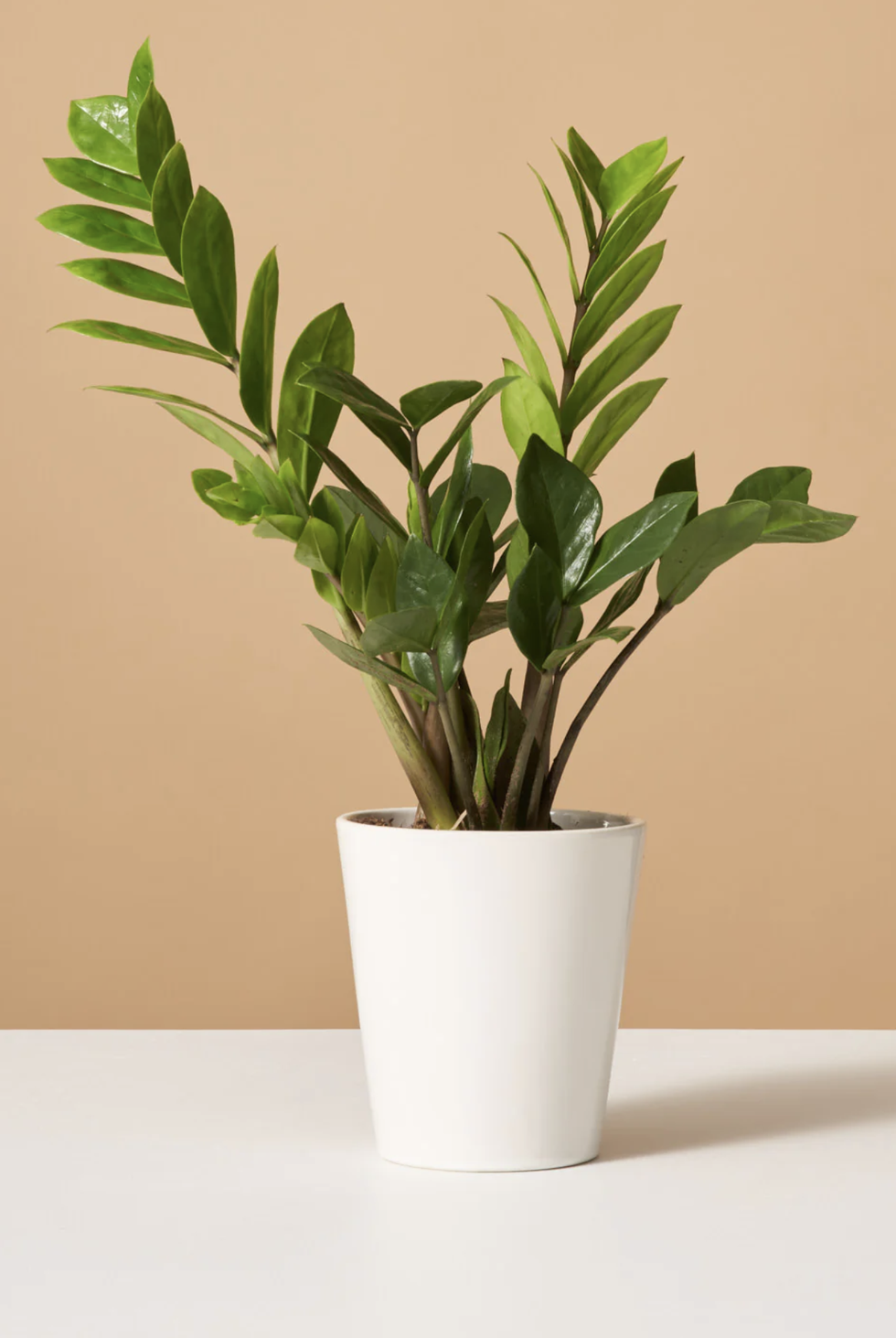
Fine, the Zs in this plant’s name technically stand for “Zamioculcas zamiifolia,” but I like to think they’re here to remind you that you could literally take care of this plant in your sleep.
Pros
- The flowers can stay in bloom for months at a time
Cons
- Too much sunlight can cause leaves to yellow
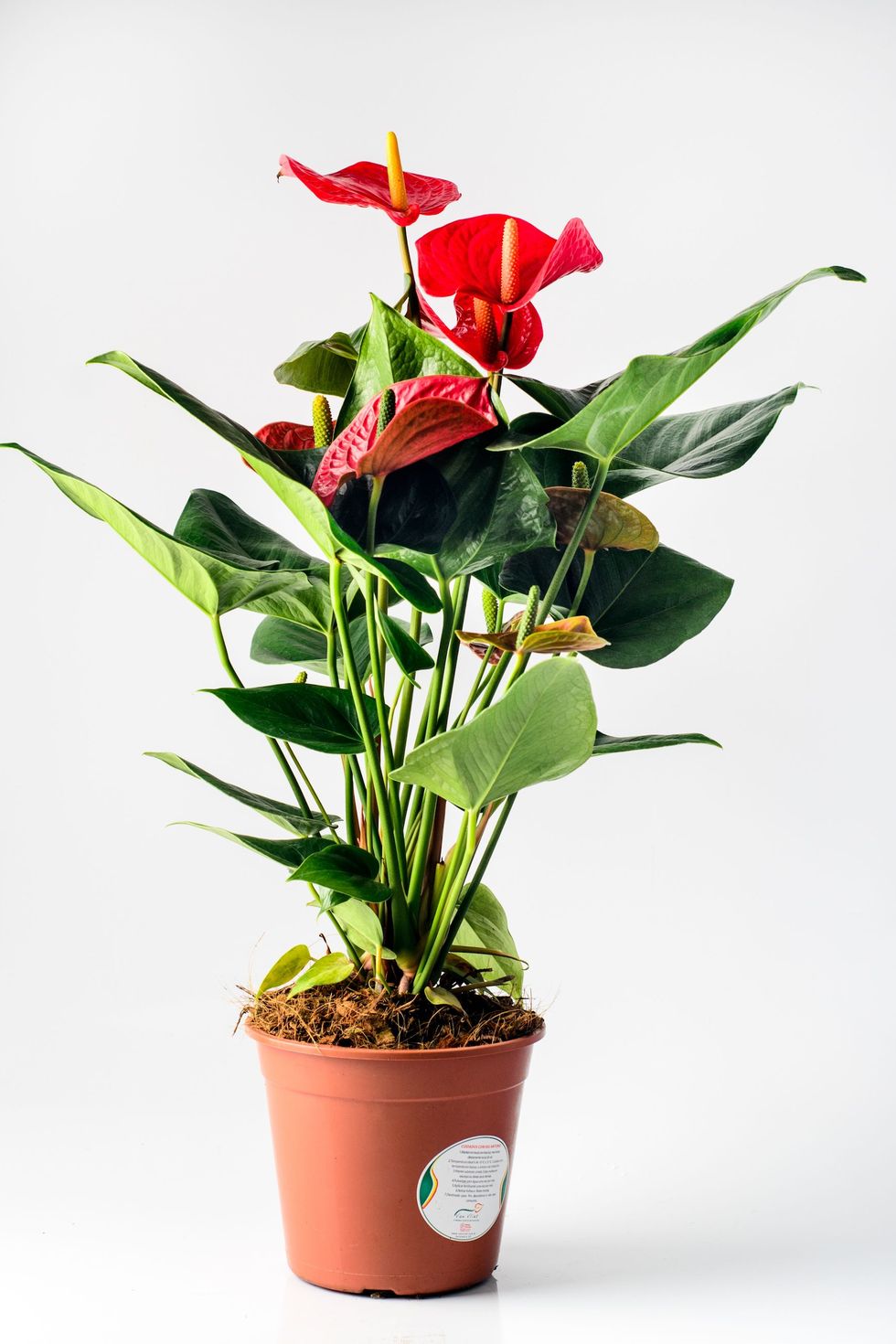
Although the anthurium plant can grow to be about a foot tall, it can still easily fit on the edge of any desk or bookshelf, and it’s so dang pretty that it’s kind of like having fresh flowers in your apartment at all times.
Pros
- Needs very little care
Cons
- Susceptible to common houseplant pests
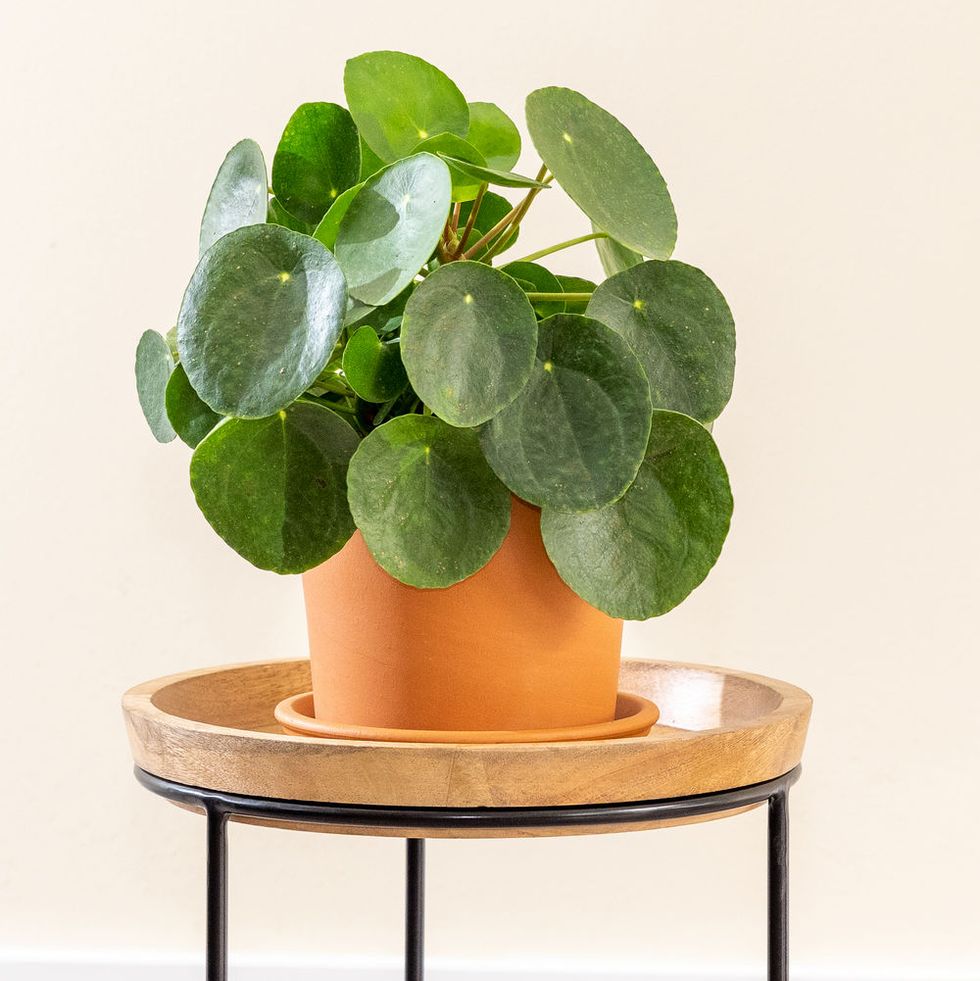
You must post a photo of this greenery on your feed; I don't make the rules. Also, the sunlight will look oh-so dreamy peeping through those leaves.
Pros
- Grows quickly
Cons
- Will not survive cold temperatures
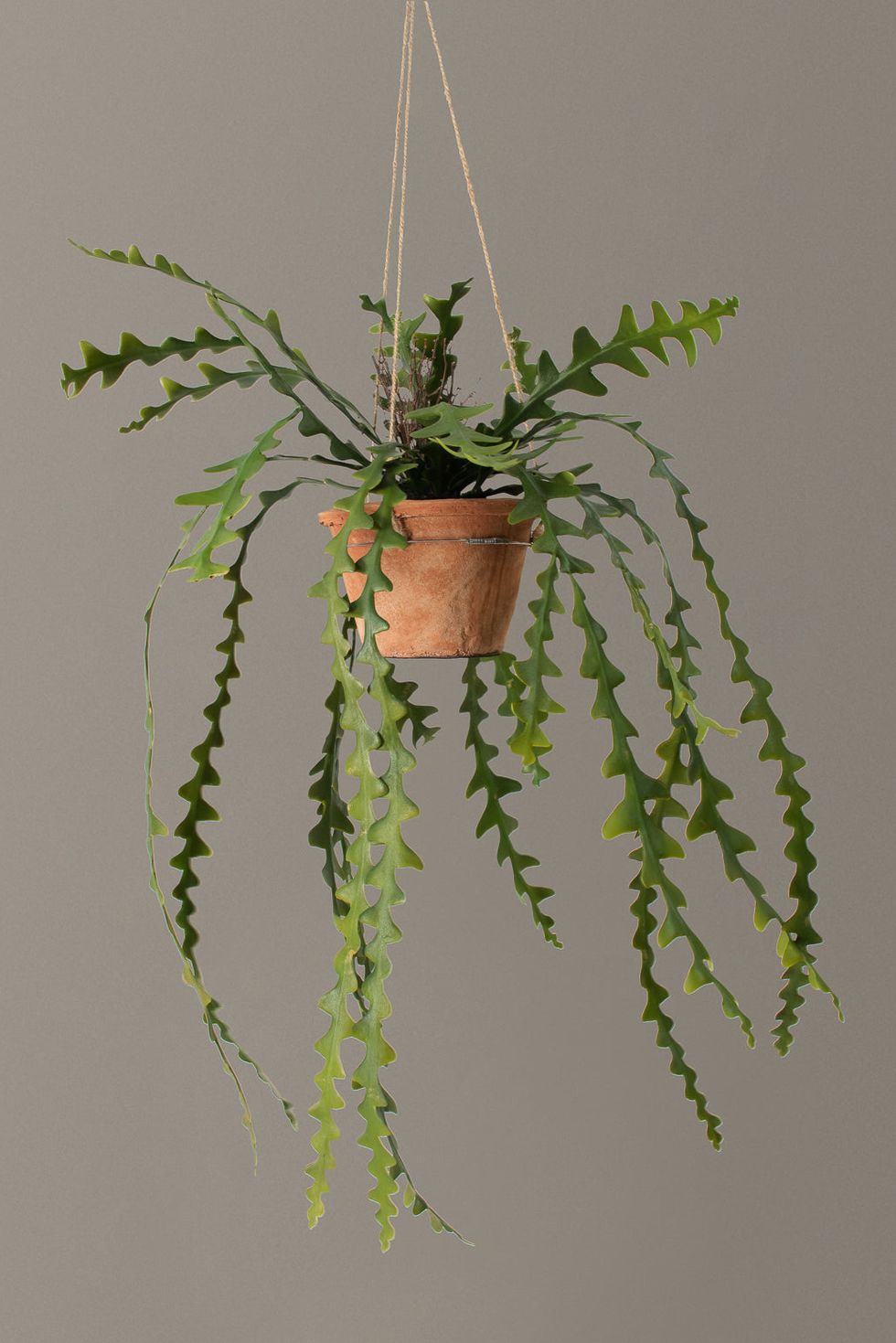
If you’re not obsessed with these leathery, zig-zagging leaves, I don’t think we can be friends. It may not look like a cactus, but this fast-growing plant is technically a cute lil cactus (sometimes called a Fishbone Cactus), and it hails from the rainforests of Mexico. In addition to being easy to grow, one of its best features is that it’s pet and kid-friendly through and through. I’ll take one for every room!
Pros
- Pretty much indestructible
- Great for beginners
Cons
- Can't get too much sun
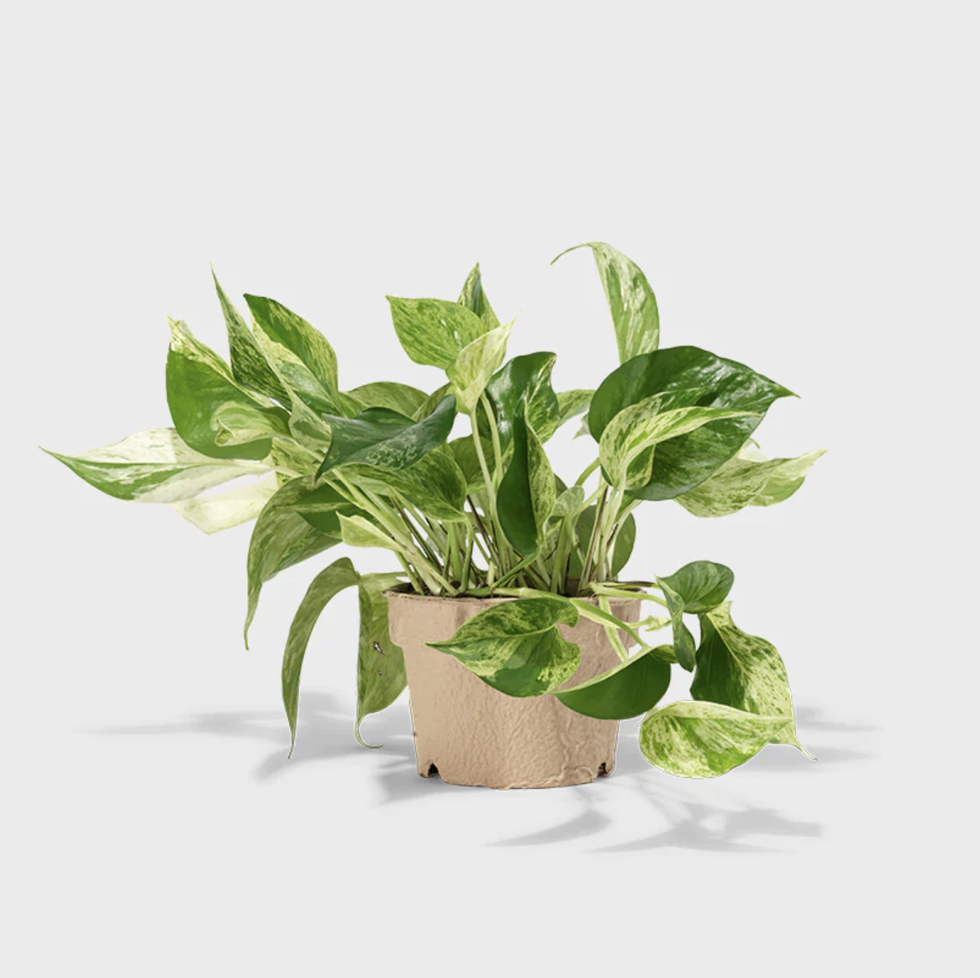
Pothos will grow pretty fast under nearly any conditions—it just doesn’t like intense direct sunlight. Put this guy on a bookshelf, and its long vines will make your space look extra lush without spending extra cash.
Pros
- Don't need a lot of sun or water
- Honestly...these are pretty much indestructible (Trust, I would know)
Cons
- Overwatering can cause root rot (and smelly soil)
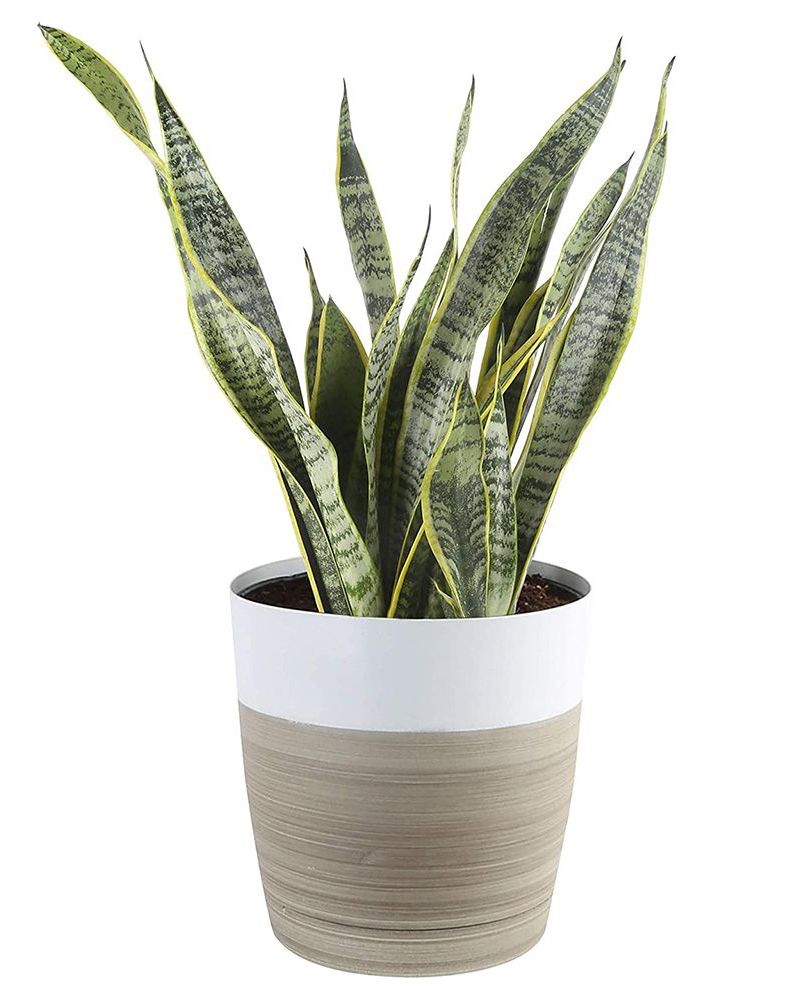
Fun fact: Snake plants may may help filter out certain chemicals from the air (like benzene and formaldehyde) by releasing oxygen into the air and improving the overall surrounding air quality. This means your apartment is about to become a hell of a lot fresher.
Pros
- Grow quickly, and can climb upwards
Cons
- Can be toxic to pets and humans
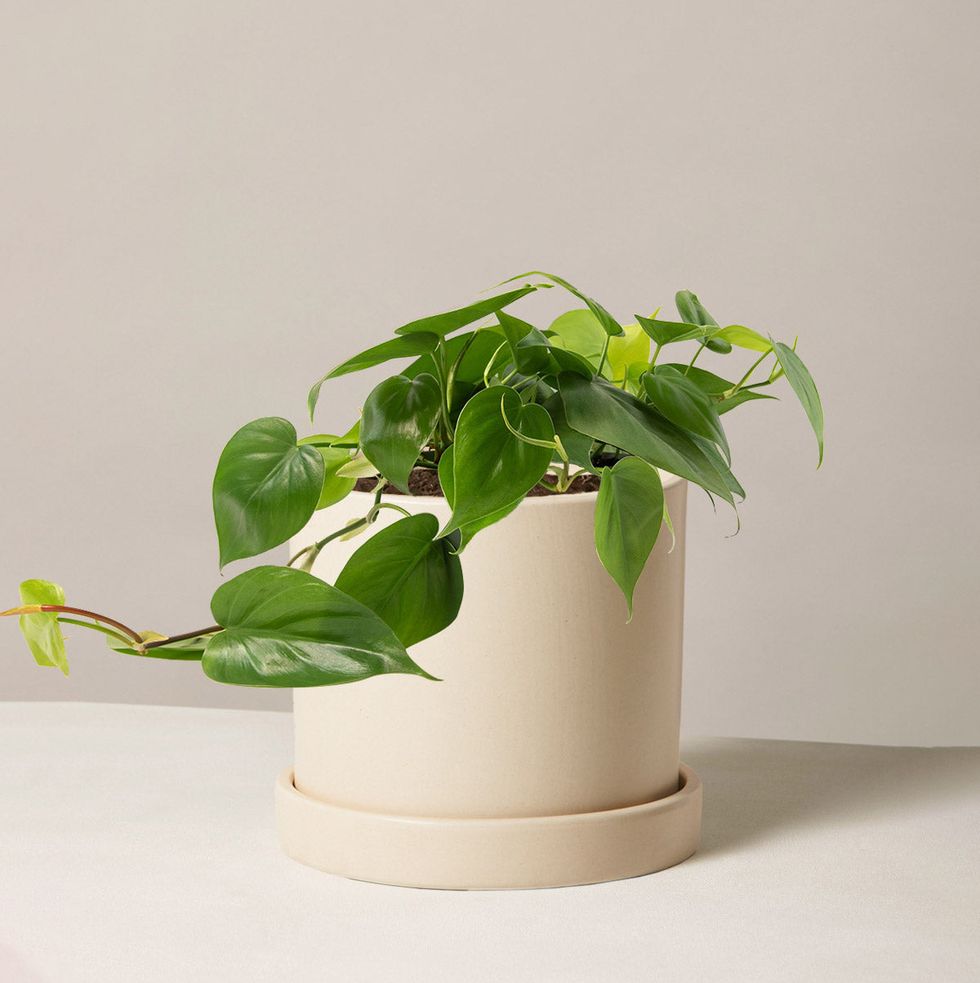
Not only are the leaves stunning here, but the philodendron green is super easy to care for. Just avoid direct sunlight and make sure the soil doesn't get overly soggy.
Pros
- Can grow white, burgundy-centered flowers in the summer
Cons
- Soggy soil can lead to root rot
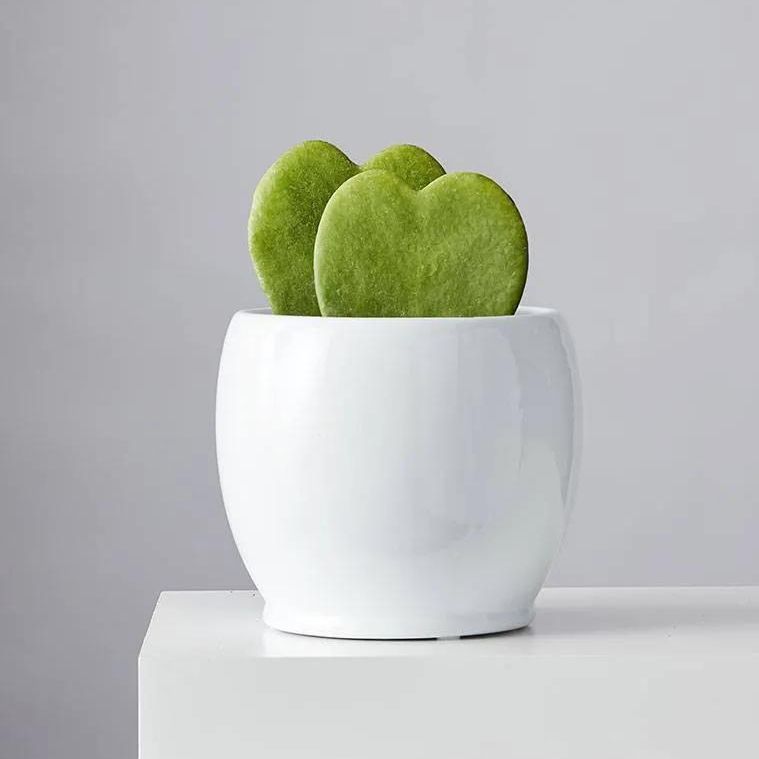
Hoya kerrii—or as they’re affectionately known, hoya heart plants—love bright, direct light and only need to be watered every three to four weeks. Easy-peasy!
Pros
- Easy to propagate new plants
Cons
- Toxic to humans and pets
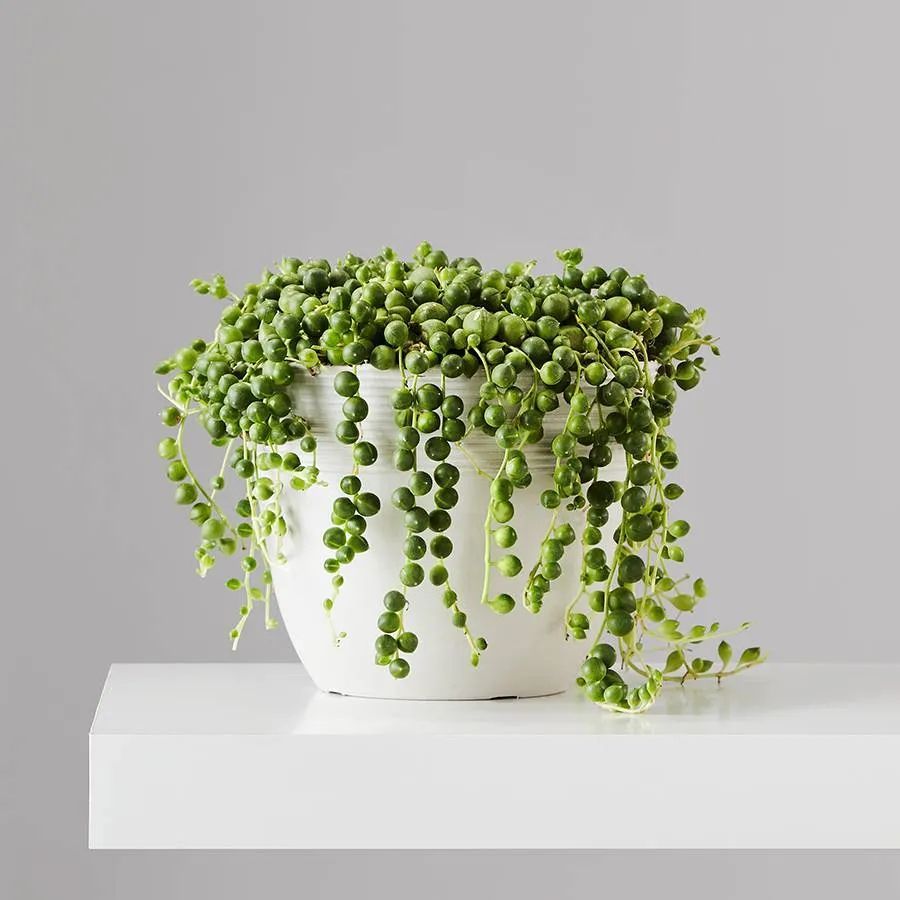
These aren’t your grandma’s pearls. This easy-to-care-for cutie is one of the most eye-catching plants I can think of (that’s probably why I bought two). Pop one in a hanging planter by a window, keep ‘er moist, and soon you’ll have an overflowing bouquet. (Is it bad that I think they look like delicious little peas and I always want to eat them?)
Pros
- Great beginner plant
Cons
- Doesn't do well in cold temperatures
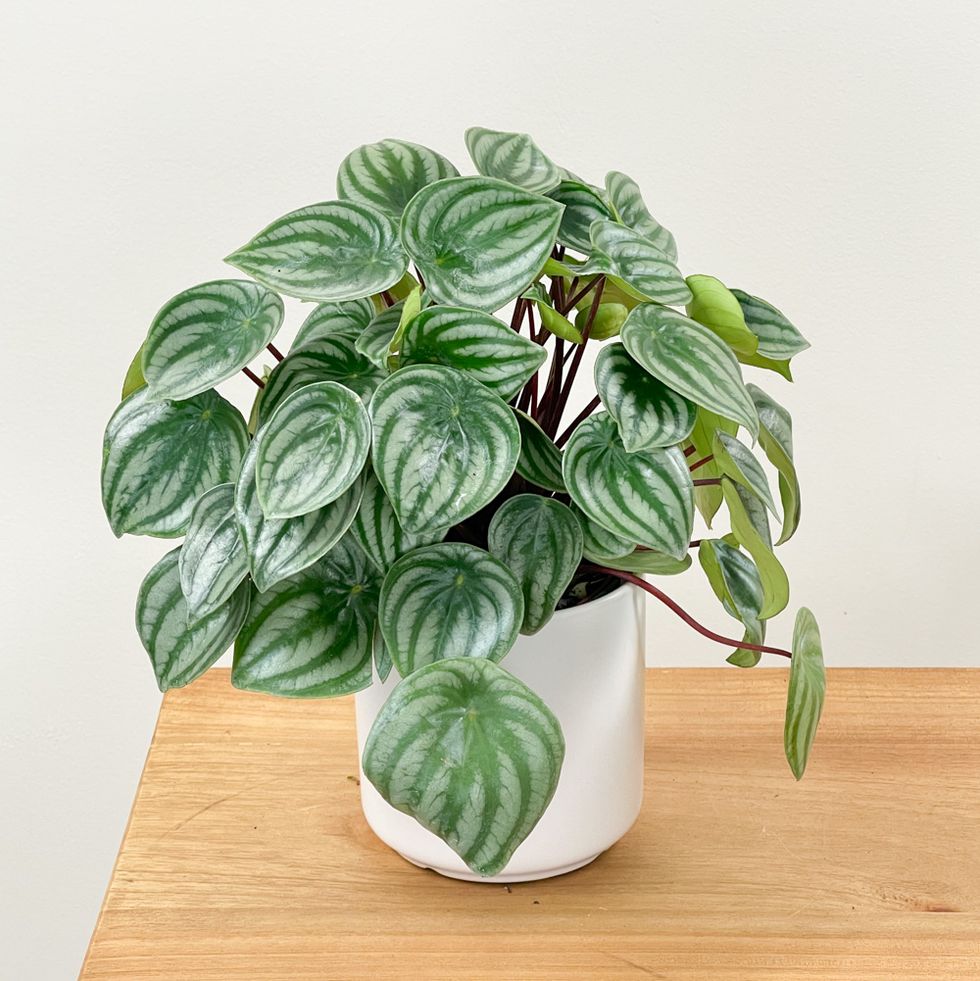
This plant is great for small spaces, as the leaves grow at a verrry slow rate and tolerate any lighting conditions. Plus, what's cuter than something this tiny with the name "watermelon" in it? Nothing!
Pros
- Tolerant of low light conditions
Cons
- May need to repot when you purchase it
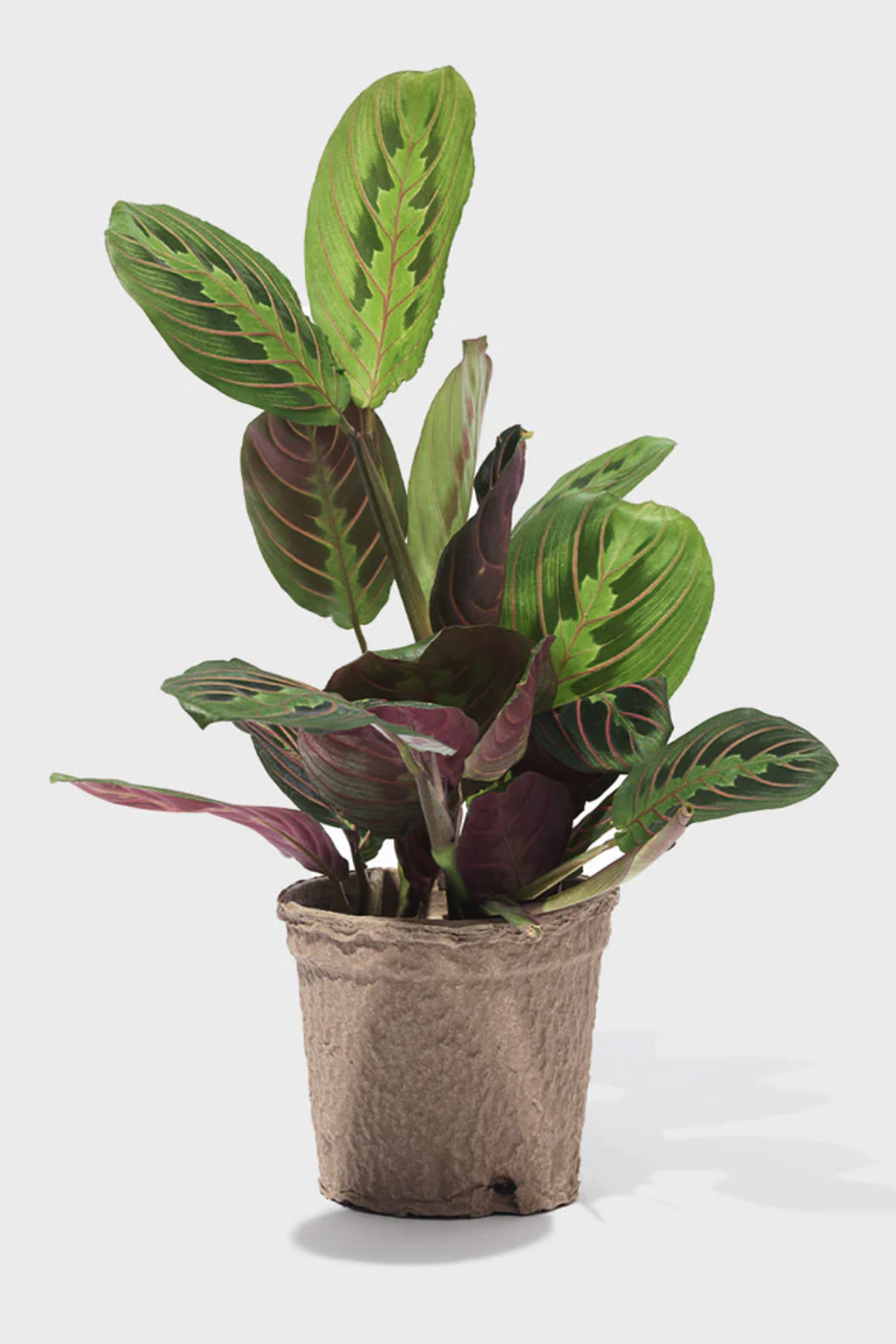
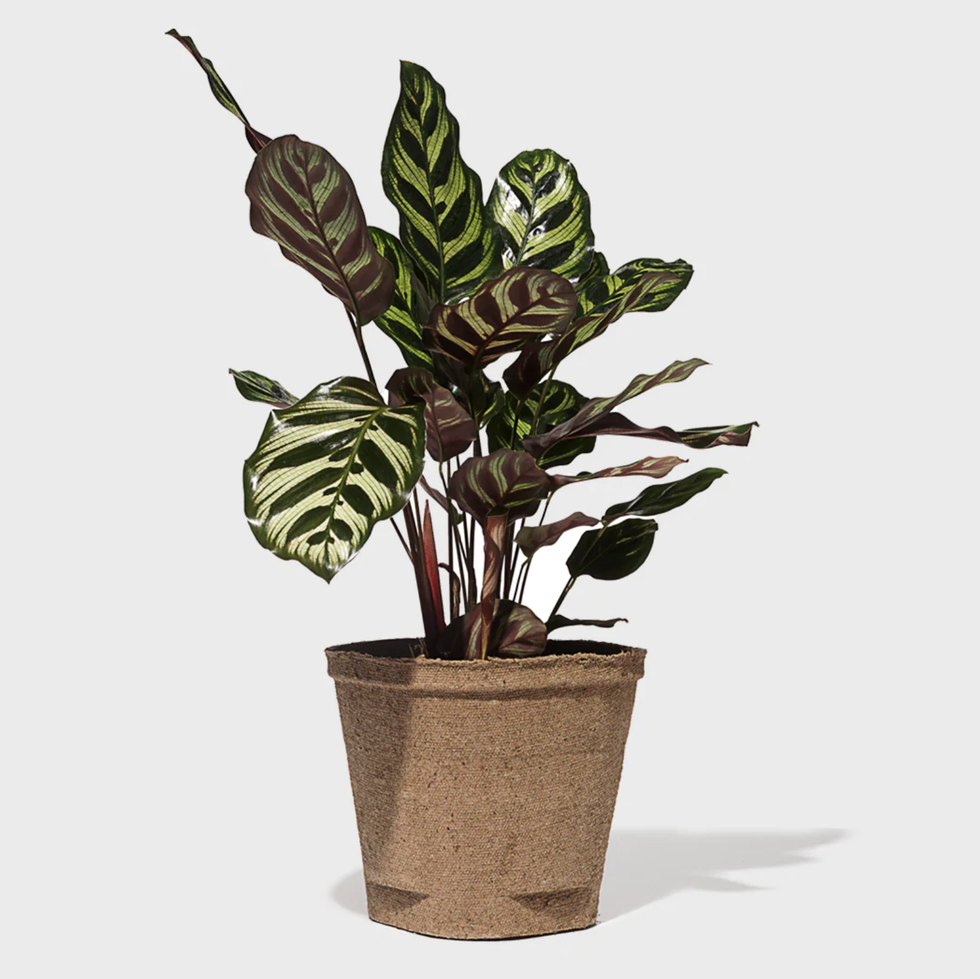
These plants thrive in any type of light, but they do require a lil more watering than most. Btw, the holy name is thanks to the fact that the leaves tend to fold in at night, resembling 🙏.
Pros
- Easy to tell when it needs more water (will start drooping!)
- Resilient
Cons
- Susceptible to root rot
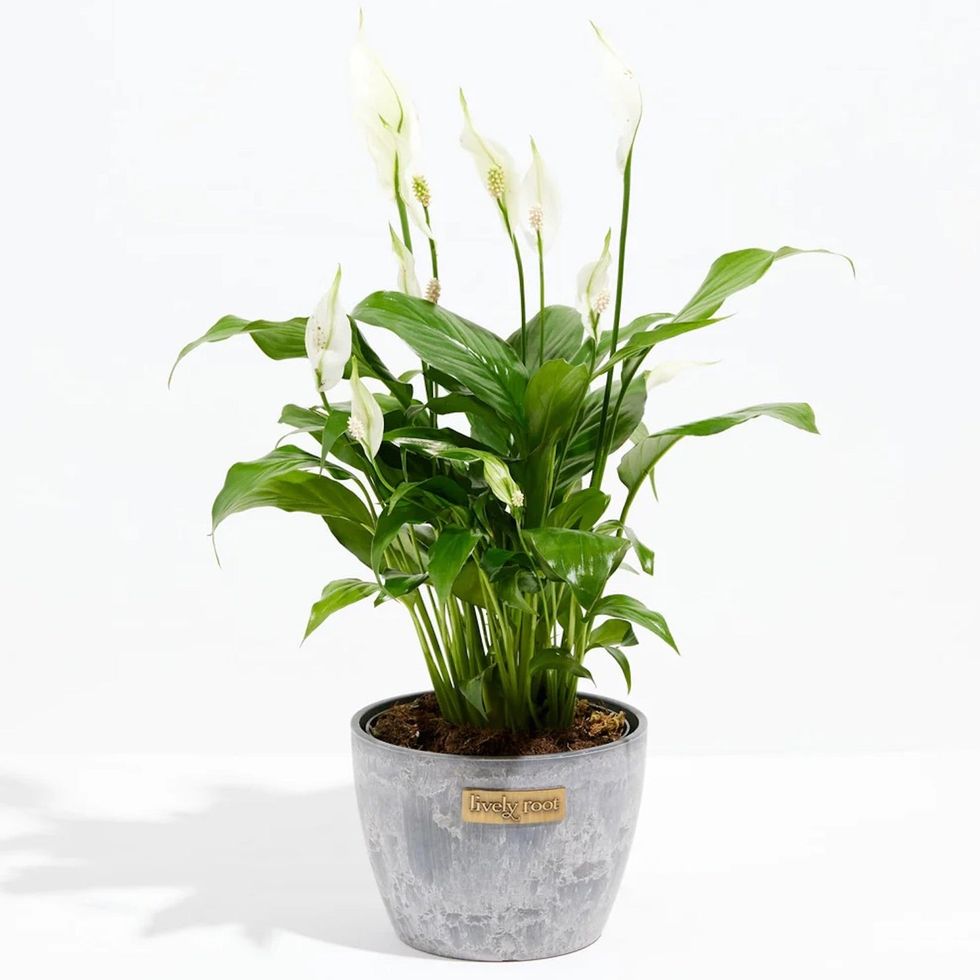
The peace lily will add an element of zen to your space, even when it’s surrounded by a week’s worth of laundry. (Hey, we've all been there before.)
Pros
- Can grow up to two feet tall!
Cons
- High humidity is necessary
- Soil needs to be constantly moist
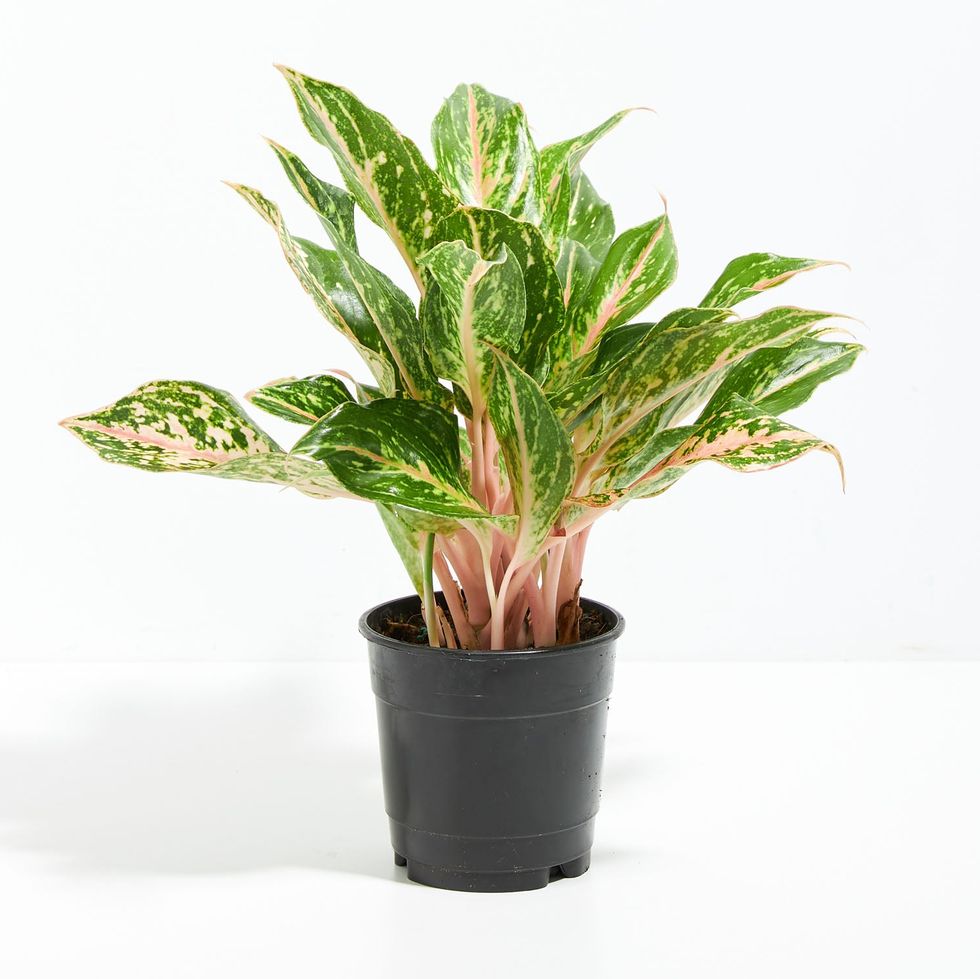
How's this for cool? The leaves of the peacock plant actually move up and down throughout the day (trust, it's only creepy for the first few days), so it'll give you something else to stare at during the commercial breaks of your Love Island marathon.
Pros
- Can tolerate poor conditions
- Great beginner plant
Cons
- Susceptible to root rot
Do you have one or two windows that simply don't see the light of day? Welp, this guy can tolerate any type of indoor condition, including low light, bright spots, and even fluorescent lighting.
Pros
- Low maintenance
- Makes a great gift
Cons
- Needs regular pruning
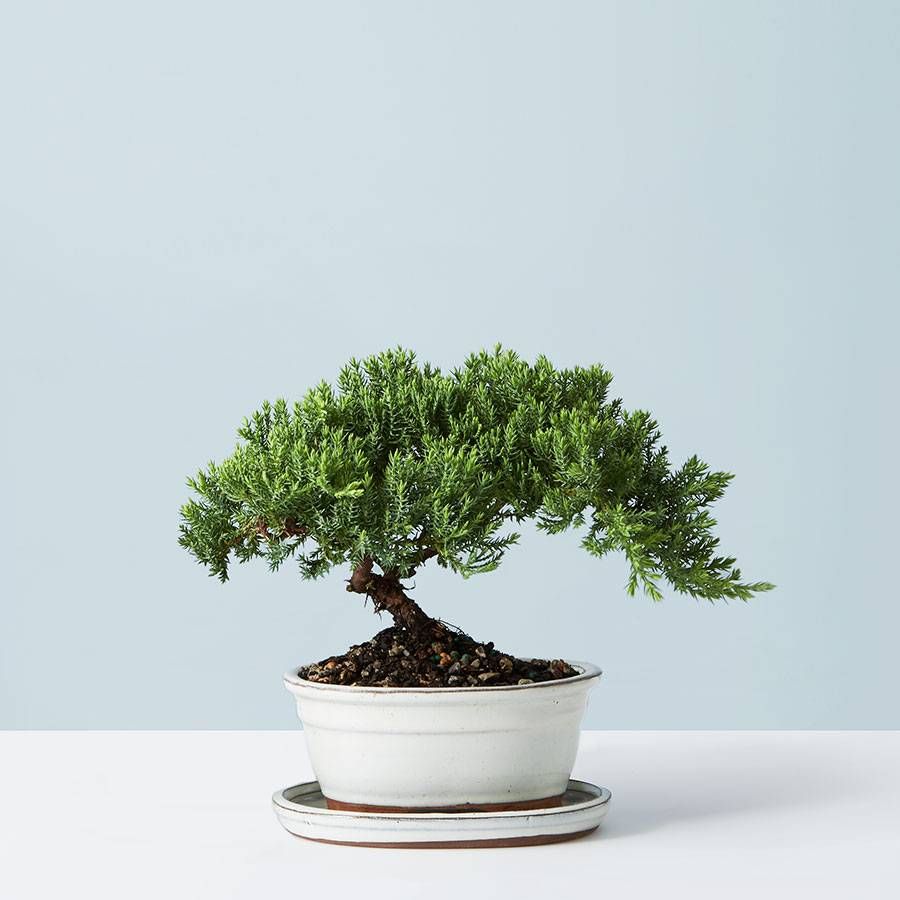
According to the practice of feng shui, bonsai trees bring good luck—and I have a good feeling about this mini guy. Make sure you trim it regularly, and it'll be growing for years to come.
Pros
- You can eat them...do I need to say more?
Cons
- Needs plenty of sun
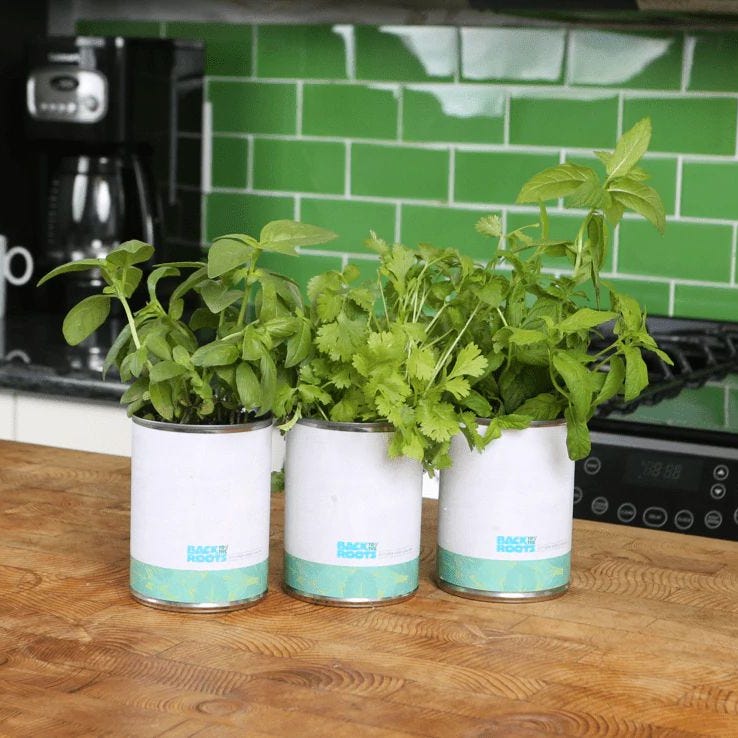
The best things in life are edible, and these fast-growing herbs are no exception. This kit of popular kitchen herbs includes everything you need to grow basil, cilantro, and mint—three hearty plants you can keep on your windowsill and use to season your dishes (or, better yet, garnish your cocktails).
Pros
- Can fit preeetty much anywhere
- Very low maintenance
Cons
- Need some humidity, so not great for dry climates
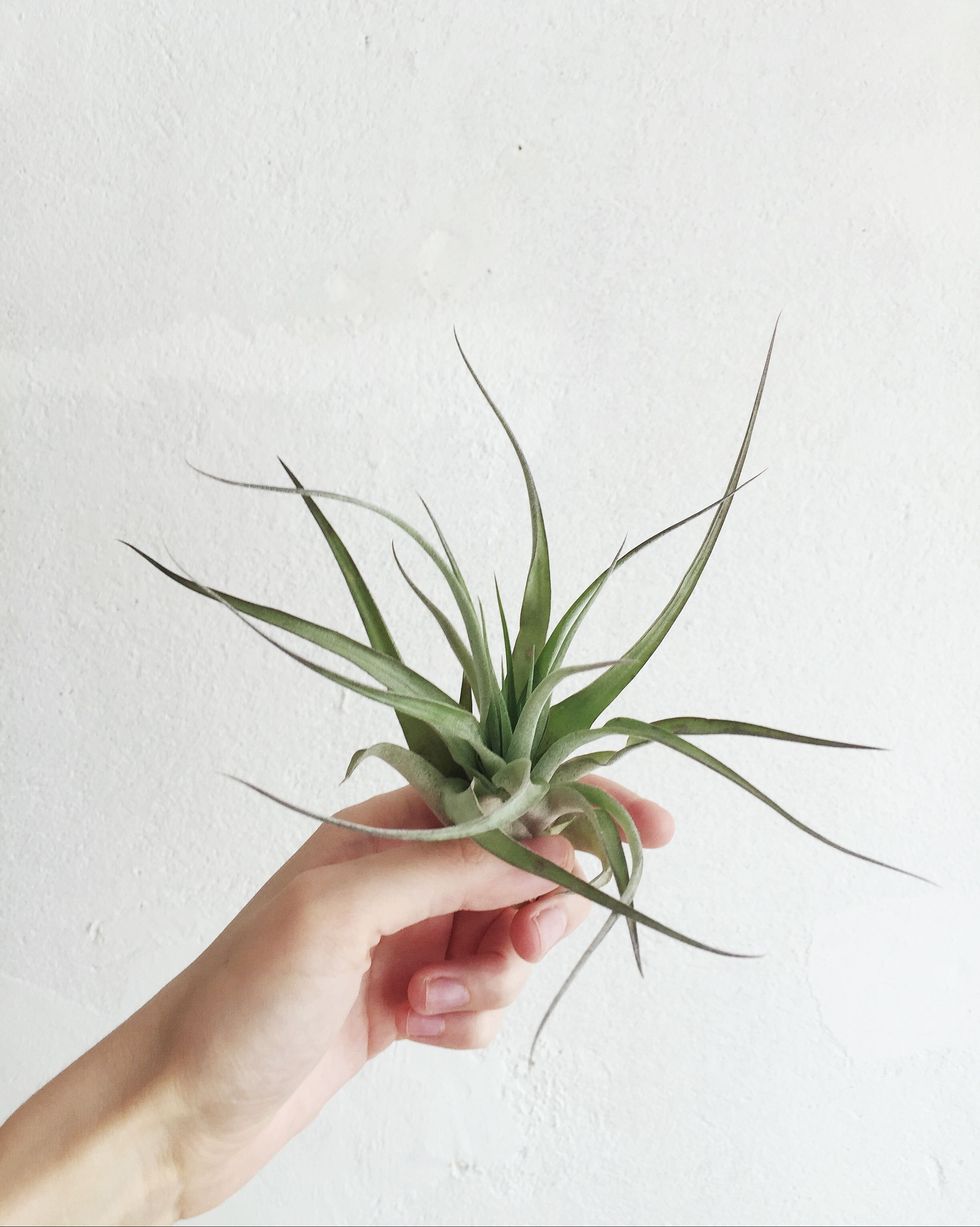
TBQH, the name “air plant” is mildly misleading—these little guys require more than air to survive, but they are pretty simple to look after. All they need is a good watering every one to two weeks and they’ll be happy as clams. Cute too.
Pros
- Doesn't need a lot of attention
Cons
- Leaves turn yellow and/or curl when overwatered
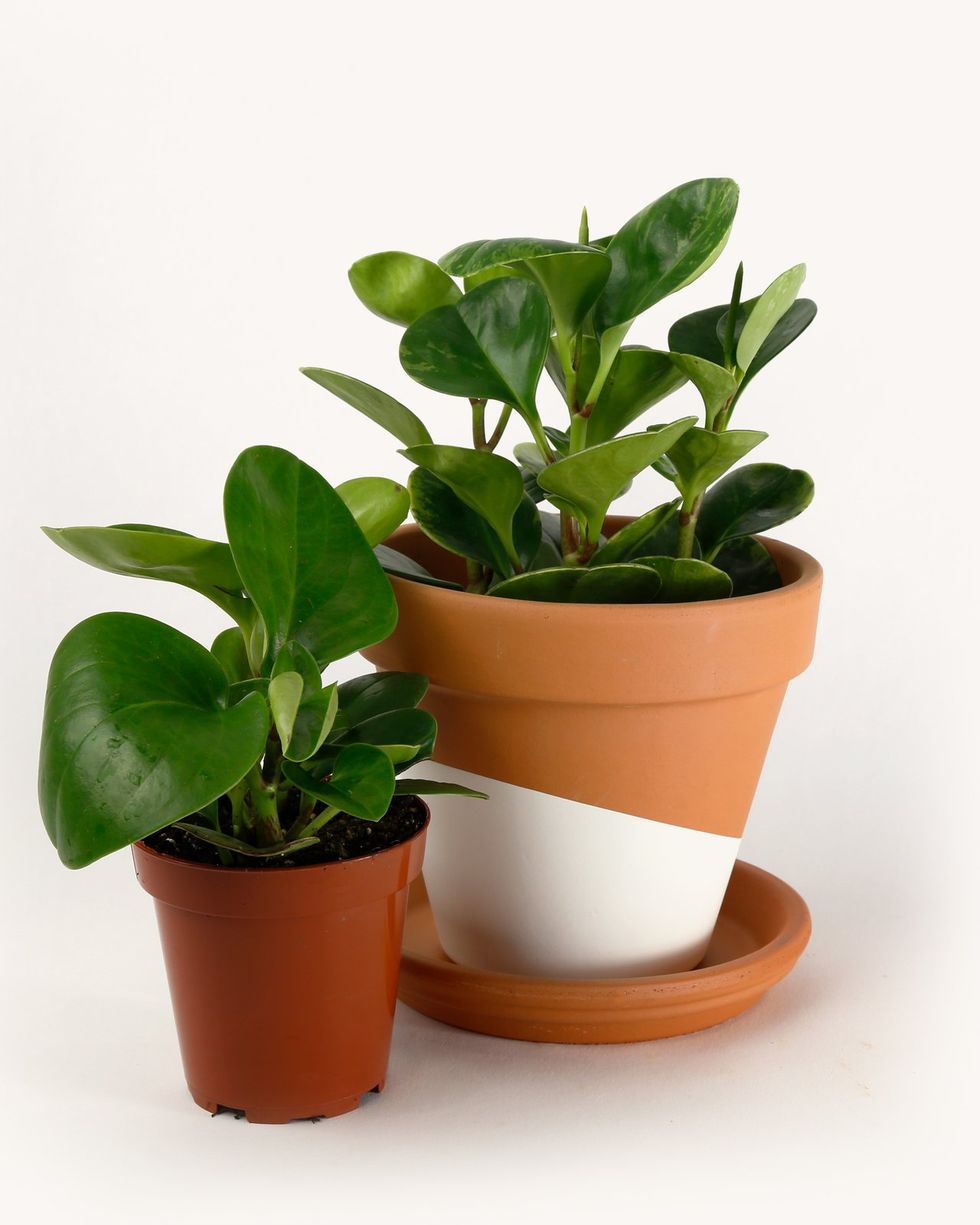
If you want to buy a ton of plants but can only afford to spend money on one, make it a peperomia (all about the name too). They're versatile and easy to propagate—aka snipping off part of the plant to re-pot and turn it into TWO plants. Magic!
Pros
- Grows slowly, but hearty for many years
- Easy to propagate
Cons
- Toxic to animals
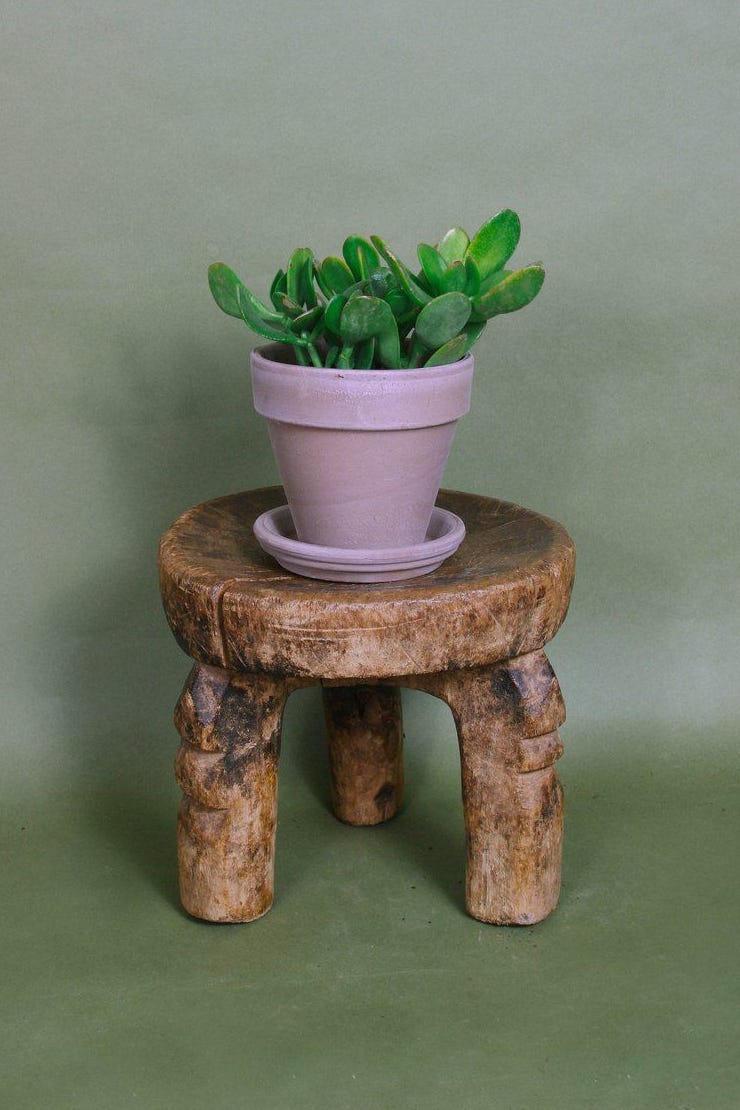
Jade plants can live for a suuuper-long time—I’m talking more than a decade. They love bright, direct light, and only need to be watered every three to four weeks.
Readers Also Read

Plan Your B-Day Around Snagging These 40 Freebies

Your Horoscope for the Week of April 5
Amazon’s Outdoor Decor Section Is Where It's at

Amazon Travel Must-Haves You Don’t Have Yet


